Suicide Paperback
Leve, Edouard · Lev, Edouard · Steyn, Jan · ISBN: 978-1-56478-628-9
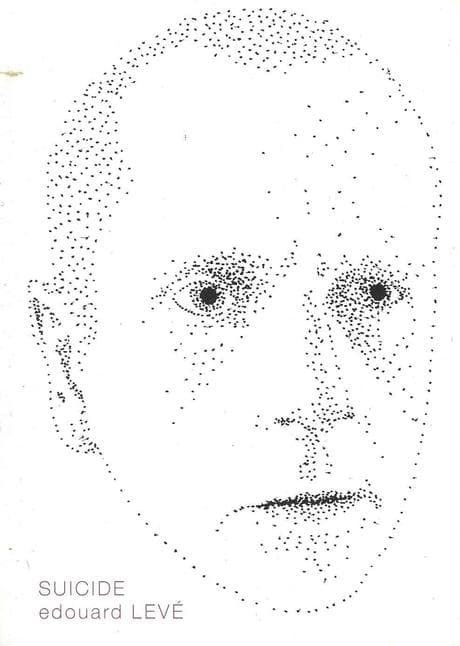
This story cannot be read as simply another novel it is, in a sense, the author's own oblique, public suicide note, a unique meditation on this most extreme of refusals. Jan Steyn is a South African translator from French and Afrikaans to English. He lives in Paris where he does work in Cultural Translation at the American University of Paris. Suicide cannot be read as simply another novel ??t is, in a sense, the author "s own oblique, public suicide note, a unique meditation on this most extreme of refusals. Presenting itself as an investigation into the suicide of a close friend ??erhaps real, perhaps fictional ??ore than twenty years earlier, Lev gives us, little by little, a striking portrait of a man, with all his talents and flaws, who chose to reject his life, and all the people who loved him, in favor of oblivion. Gradually, through Lev "s casually obsessive, pointillist, beautiful ruminations, we come to know a stoic, sensible, thoughtful man who bears more than a slight psychological resemblance to Lev himself. But Suicide is more than just a compendium of memories of an old friend; it is a near-exhaustive catalog of the ramifications and effects of the act of suicide, and a unique and melancholy farewell to life. A astonishing novel. A book that will never disappear, a book too provocative ever to be forgotten. Jean Rolin is a companion with whom one can walk as one hears his clear and dispassionate voice, his wry humor . . . 'One day I'll have to tell this story, the story of my heroic death and the ensuing revolution,' he announces on the final page. I look forward to this. Jean Rolin is a companion with whom one can walk as one hears his clear and dispassionate voice, his wry humor . . . One day I "ll have to tell this story, the story of my heroic death and the ensuing revolution, " he announces on the final page. I look forward to this. Suicide is not a fictionalized account of Lev "s death; in some respects it is a negative image of it. You didn "t leave any letters for loved ones to explain your death, " he writes, although Lev himself reportedly did. Lev "s art and life nonetheless converge, fuse, and end brutally together. Ironically, Suicide represents a new departure for Lev : his previous books could be considered conceptual conceits, whereas Suicide is something else, a purely literary work. At the end of his life, Lev had by no means exhausted his art. Suicide is not a fictionalized account of Lev?s death; in some respects it is a negative image of it. 'You didn't leave any letters for loved ones to explain your death,' he writes, although Lev?himself reportedly did. Lev?s art and life nonetheless converge, fuse, and end brutally together. Ironically, Suicide represents a new departure for Lev? his previous books could be considered conceptual conceits, whereas Suicide is something else, a purely literary work. At the end of his life, Lev?had by no means exhausted his art. Edouard Lev delivered the manuscript for his final book, Suicide, just a few days before he took his own life. Edouard Lev?delivered the manuscript for his final book, Suicide , just a few days before he took his own life. Edouard Lev?delivered the manuscript for his final book, Suicide, just a few days before he took his own life.